
toughened glass and laminated glass
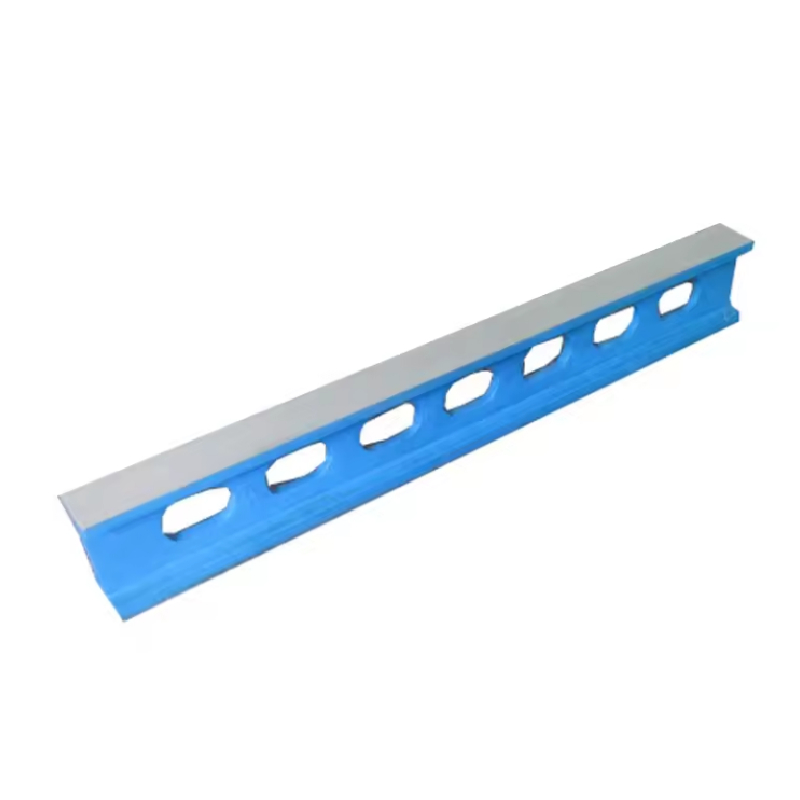
Narzędzia do znakowania metali - klucz do precyzyjnej obróbki Obróbka metali wymaga nie tylko odpowiednich umiejętności, ale także zastosowania właściwych narzędzi. W procesie tym, niezwykle istotną rolę odgrywają narzędzia do znakowania, które pozwalają dokładnie oznaczyć miejsce, w którym ma być wykonana obróbka. W artykule tym przyjrzymy się najpopularniejszym narzędziom do znakowania metali, ich zastosowaniom oraz znaczeniu w przemyśle metalowym. Narzędzia do znakowania metali - klucz do precyzyjnej obróbki Kolejnym ważnym narzędziem jest linijka oraz kątomierz. W obróbce metali niezwykle istotna jest dokładność wymiarów, dlatego linijka wykonana z wytrzymałych materiałów, takich jak stal nierdzewna, jest nieodłącznym elementem wyposażenia każdego warsztatu. Kątomierz natomiast umożliwia kontrolę kątów, co jest niezbędne przy tworzeniu elementów wymagających precyzyjnego dopasowania. Odpowiednie mierzenie i znakowanie to fundamenty jakościowej obróbki metalu, dlatego warto zainwestować w wysokiej jakości narzędzia pomiarowe. marking out tools for metal Innym narzędziem, które zasługuje na uwagę, jest markówka. To narzędzie, które pozwala na tworzenie linii znakujących na powierzchni metalu. Markówki są zazwyczaj wykonane z twardego materiału, który zapewnia trwałość i precyzję. Właściwe oznakowanie linii cięcia czy nawiercania jest kluczowe dla uzyskania estetycznych i dokładnie wykonanych elementów. Markówki można wykorzystać także do tworzenia wzorów lub oznaczania miejsc, w których zostaną dokonywane dalsze prace. Warto również wspomnieć o narzędziach elektronicznych, takich jak laserowe urządzenia do znakowania. Chociaż są one droższe, to oferują niespotykaną precyzję oraz możliwość wykonywania skomplikowanych wzorów. Dzięki technologii laserowej można znakować metale w sposób szybki i trwały, co znacznie podnosi jakość oraz estetykę wykonywanych detali. Narzędzia te są coraz częściej wykorzystywane w przemyśle, gdzie konkurencja wymusza na producentach stosowanie nowoczesnych rozwiązań. Podsumowując, narzędzia do znakowania metali odgrywają kluczową rolę w procesie obróbki. Dzięki nim możliwe jest precyzyjne oznaczanie miejsc, co przekłada się na jakość i dokładność wykonanego produktu. Inwestycja w odpowiednie narzędzia oraz ich właściwe wykorzystanie stanowią fundament udanego warsztatu zajmującego się obróbką metali. Bez wątpienia, odpowiednie markowanie ma potencjał, aby zredukować ilość błędów oraz zwiększyć efektywność pracy.
about
toughened glass and laminated glass
Understanding the Thread Measuring Gauge A Key Tool in Precision Engineering In the world of precision engineering, the importance of accurate measurements cannot be overstated. Among the various tools that facilitate precision, the thread measuring gauge stands out as a vital instrument, particularly in industries that rely on threaded components. This article delves into the significance, types, and applications of the thread measuring gauge, illustrating its essential role in maintaining quality and accuracy in engineering tasks. What is a Thread Measuring Gauge? A thread measuring gauge is an instrument used to measure the pitch, diameter, and depth of threads on various fasteners such as screws, bolts, and nuts. These gauges are designed to enable engineers, machinists, and quality control professionals to ensure that threaded components meet specific standards and tolerances. Accurate measurements are crucial in assuring the proper fit and functionality of assembled parts, thereby preventing mechanical failures or safety hazards. Types of Thread Measuring Gauges Thread measuring gauges come in various forms, each designed to cater to specific measurement needs. The most common types include 1. Pitch Gauges These gauges help measure the pitch of the thread, which is the distance between two adjacent threads. Pitch gauges typically feature multiple blades, each corresponding to different pitch sizes, allowing users to find the correct pitch quickly. 2. Thread Calipers Similar to standard calipers, thread calipers are specially designed to measure the outer diameter of a threaded component. They are equipped with jaws that can closely fit the contours of the threads, providing precise measurements. 3. Go/No-Go Gauges These gauges are used to determine whether a thread fits within specified tolerances. A Go gauge indicates that the thread is acceptable, while a No-Go gauge signifies that it is out of tolerance. This binary method of measurement is essential in quality control processes. thread measuring gauge 4. Thread Micrometers For high-precision applications, thread micrometers can be used . These tools measure the thickness of the threads and can provide highly accurate readings necessary for stringent requirements. Applications of Thread Measuring Gauges Thread measuring gauges find applications in several sectors, including automotive, aerospace, manufacturing, and construction. In the automotive industry, for instance, ensuring that all bolts, screws, and nuts meet specifications is critical for vehicle safety and performance. Similarly, in the aerospace sector, where precision is paramount, thread measuring gauges are employed to ensure that engine mountings and other critical components adhere to strict safety regulations. Moreover, these gauges are indispensable in manufacturing environments where threaded parts are produced in high volumes. Quality control inspectors use thread measuring gauges regularly to verify that produced parts meet industry standards, such as those set by the International Organization for Standardization (ISO) or Society of Automotive Engineers (SAE). Importance of Accuracy and Calibration Maintaining accuracy with thread measuring gauges is crucial, as any deviation can lead to significant issues during assembly or operation. Regular calibration of measuring instruments is necessary to ensure reliability and accuracy. This involves comparing the gauge measurements against known standards and adjusting as necessary to guarantee precise readings. Furthermore, users must be trained in the correct usage of these gauges. Improper handling or measurement techniques can lead to errors, resulting in faulty assemblies or the rejection of acceptable components. Conclusion In conclusion, the thread measuring gauge is an essential tool in the field of precision engineering, promoting accuracy and quality control in threaded components. With various types designed for specific measurement needs, thread gauges uphold the safety and functionality of mechanical systems across multiple industries. As technology advances, the integration of digital measuring tools may further enhance the capabilities of thread measuring gauges, making them even more critical for the future of precision engineering. In a world where the smallest detail can have significant consequences, the thread measuring gauge remains a vital asset to engineers and manufacturers alike.
-

High quality industrial productsagement

High quality industrial products
View Details -

Meet the diverse needs of customers

Meet the diverse needs of customers
View Details -

Strict quality control

Strict quality control
View Details -

Top raw materials

Top raw materials
View Details -

Trusted supplier

Trusted supplier
View Details
Our application

news and information
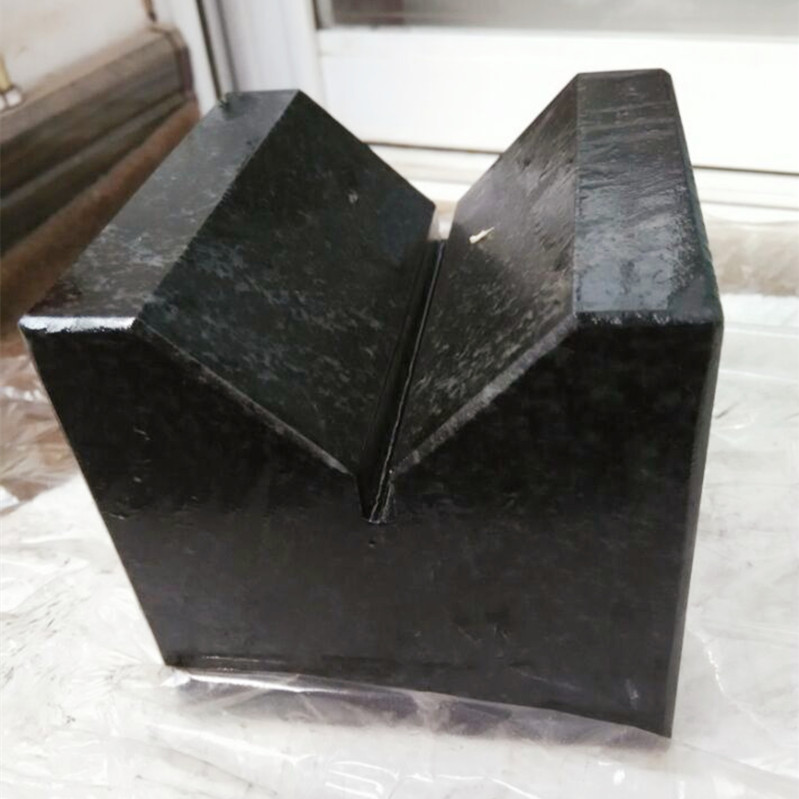
Versatile Snap Gauge with Adjustable Range for Precise Measurement in Various Applications
Understanding Adjustable Snap Gauge Ranges In the world of precision measurement, tools like the adj
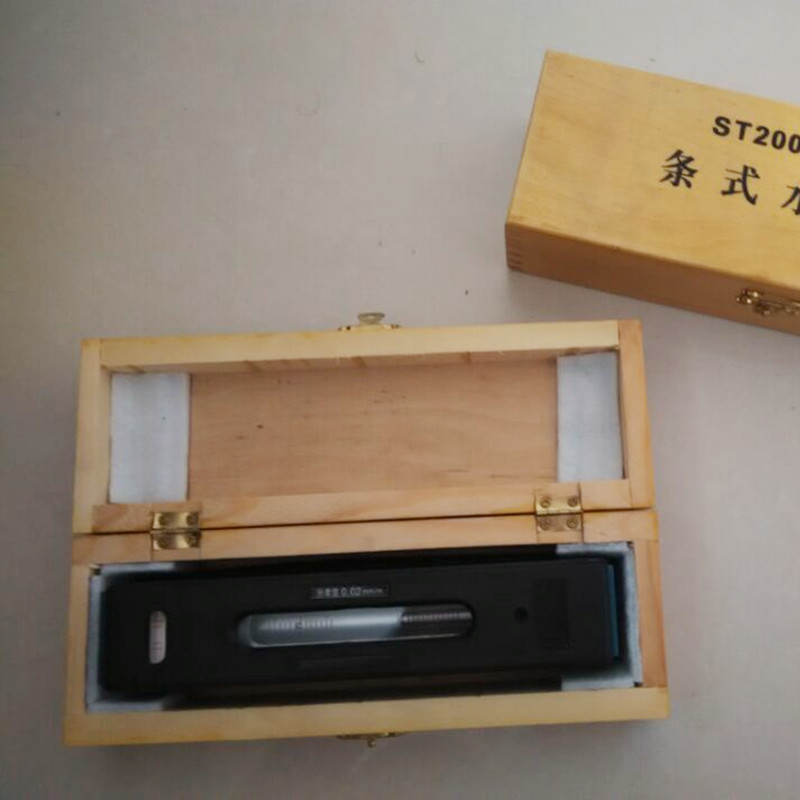
Valve anti - retour Baron
Le Vanne à Boule Un Dispositif Essentiel pour la Sécurité des Systèmes Hydraulique La vanne à boule

Wooden joist hanger connectors for secure structural support.
The Importance of Wood Joist Hangers and Connectors in Construction Wood joist hangers and connecto
 English